

Juneteenth is an incredibly important day in the history of slavery in America. It marks the date of June 19th, 1865, when the last enslaved Africans in the United States were finally “emancipated.” This day has come to be celebrated all over the nation, with events and festivals honoring the African American experience and the long journey to freedom. For those seeking to understand the history of Juneteenth, it is essential to learn about the origins of slavery in America and the events that led to the liberation of African Americans.
The Origins of the African Slave Trade
The African slave trade began in 1526 and lasted until 1807, and it brought around two million enslaved Africans to North and South America during those years. These men, women, and children were kidnapped from their homes in Africa, transported in horrific conditions on ships, and sold as property to work on plantations and in other forms of forced labor. Juneteenth marks the end of this tragic chapter, celebrating the emancipation of enslaved African Americans.
The origins of this devastating trade can be traced back to European colonization of the African continent, which began in the 1400s. European countries established colonies in Africa, and they soon realized that they could make huge profits by using enslaved Africans to work in the mines and on the plantations that they set up. They traded goods for enslaved Africans and transported them across the Atlantic to the Americas, where they were forced to work in brutal conditions. The colonial systems that enabled this trade did not end with emancipation — their structural legacies continue to shape health and policy, as we examine in our work on colonialism and global health policy.
The effects of this brutal trade are still felt today, both in Africa and in the Americas. It tore apart families and communities, and it created a legacy of poverty and inequality that persists to this day. Understanding the history of the African slave trade is crucial to understanding the origins of Juneteenth, and why this holiday is so important to African Americans.
The Arrival of Slavery in America
Slavery was introduced to the American colonies in 1619 when a Dutch trading ship carrying 20 enslaved Africans docked in Jamestown, Virginia. The colonists initially treated these enslaved Africans as indentured servants, but by the late 17th century, the slave trade had grown significantly, and slavery had become entrenched in American society. The Southern colonies were particularly reliant on the labor of enslaved Africans to work their plantations, with slave ownership being a mark of social status and wealth.
Slaves were often brutally treated, working long hours in harsh conditions with minimal food and rest. Slave owners frequently punished their slaves for insubordination, using whippings and other forms of physical violence. Despite the inhumane treatment of enslaved Africans, they continued to resist their enslavement, often through subtle acts of rebellion such as slowing down their work pace or breaking tools.
Slavery played a critical role in the development of the American economy and the formation of American society, with slave labor fueling the production of crops such as tobacco, rice, and cotton. Enslaved Africans contributed greatly to the development of American culture and society, creating unique musical traditions, foodways, and religious practices that have persisted to this day.
The legacy of slavery in America has been long-lasting, with its effects continuing to be felt today. The struggle for emancipation and the end of slavery is a critical part of American history and serves as a reminder of the ongoing fight for equality and justice for all. Juneteenth, the commemoration of the end of slavery in America, remains a vital celebration of freedom and a reminder of the resilience and courage of the human spirit.
The Struggle for Emancipation
The journey to freedom was long and difficult for enslaved Africans in America. They endured brutal conditions, including physical and psychological abuse, separation from their families, and forced labor without pay.
The movement to abolish slavery began in the late 18th century and was led by African Americans and abolitionists. One of the most influential figures in the fight for emancipation was Frederick Douglass. He escaped from slavery in Maryland and became a renowned orator and writer. Douglass used his platform to advocate for the abolition of slavery and for the rights of African Americans.
In 1861, the Civil War began, largely over the issue of slavery. The Union army’s victory in the war ultimately led to the end of slavery, as the 13th Amendment to the Constitution was ratified in 1865. However, the news of this freedom did not reach all enslaved African Americans immediately.
Juneteenth is a reminder of this struggle for emancipation. Although the Emancipation Proclamation was issued by President Abraham Lincoln on January 1, 1863, it was not until June 19, 1865, that the last remaining enslaved people in Texas were notified of their freedom. This delay was due to the lack of enforcement of the proclamation. There was also resistance from slave owners who refused to release their enslaved workers. Other cases of enslaved African Americans persisted through the 1960s.
Despite the challenges and setbacks, African Americans persisted in their fight for equality and freedom. The establishment of Juneteenth as a holiday reflects the strength and resilience of African American culture and celebrates the victories achieved through struggle and perseverance.
Juneteenth: A History
Juneteenth is a holiday celebrated annually on June 19th, commemorating the end of slavery in the United States. It originated in Texas and has since spread throughout the country, gaining national recognition in recent years. But what is the history behind Juneteenth, and why is it so significant?
On January 1, 1863, President Abraham Lincoln issued the Emancipation Proclamation. It declared that all slaves in the Confederate States “shall be then, thenceforward, and forever free.” However, this did not immediately free all slaves in the United States. It wasn’t until June 19, 1865, that Union soldiers arrived in Galveston, Texas, and informed the enslaved people there of their freedom. For a deeper look at how this delayed reckoning unfolded — and what it meant for the enslaved people of Texas — see our companion piece on the long-awaited emancipation of 1865.
This momentous day is known as Juneteenth, a portmanteau of “June” and “nineteenth.” Although the Emancipation Proclamation had been in effect for over two years, it was the arrival of Union troops in Texas that finally resulted in the freedom of enslaved people in that region.
Juneteenth became a day of celebration and remembrance for Black people in Texas. Eventually, it spread to other parts of the country. For many years, it was primarily celebrated in Black communities. Activities often included church services, parades, and picnics. In 1980, Texas became the first state to recognize Juneteenth as a state holiday. Today, many states and the District of Columbia officially recognize Juneteenth as a holiday.
However, the history of Juneteenth is not without controversy. Some argue that it celebrates a moment in history when enslaved people were freed. They believe it fails to recognize the ongoing struggles for true equality and justice. Others argue that it should be celebrated as a symbol of resistance and perseverance in the face of oppression.
Despite these debates, Juneteenth remains an important day in American history. It is an opportunity to reflect on the legacy of slavery in the United States. A day to honor the sacrifices of those who fought for freedom and died for it. It is also a time to continue the work of dismantling systems of oppression and racism.
How Juneteenth is Celebrated Today
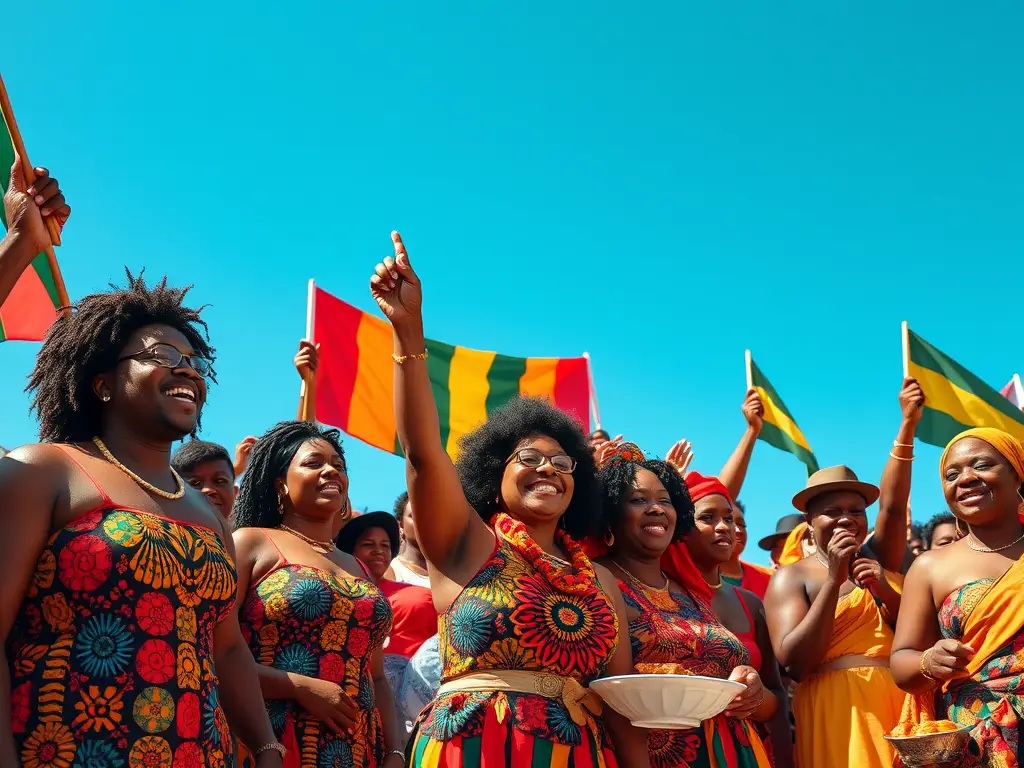
Juneteenth celebrations have been a longstanding tradition in the African American community. It’s a time to honor our ancestors and commemorate the end of slavery in America. People across the country come together to celebrate with food, music, parades, and other events.
One of the most popular Juneteenth traditions is the annual barbecue. Families gather to share food and fellowship as they reflect on the importance of Juneteenth and its historical significance. Some cities even host cook-offs, where contestants compete for the title of the best Juneteenth BBQ.
Another Juneteenth celebration staple is the Juneteenth parade. These parades often feature African American marching bands, dancers, and community organizations. Many people wear traditional African clothing, such as dashikis or headwraps, to show pride in their heritage.
In recent years, there had been a growing movement to make Juneteenth a national holiday and the movement has succeeded. Juneteenth is the newest federal holiday in the United States and one that is celebrated differently across the states. Several states, including Texas, where Juneteenth originated, had already recognized it as a state holiday. Many companies, organizations, and government entities can now observe Juneteenth as a paid holiday to acknowledge the significance of this day in American history.
Juneteenth celebrations often involve education and activism. People participate in lectures, workshops, and community service projects to promote racial equality and social justice. It’s a reminder that the fight for freedom and equality is ongoing and that we must continue to work toward a better future. Those who want to explore the full breadth of African American cultural traditions will find a natural companion in Kwanzaa — our guide covering 7 things to know about Kwanzaa offers a grounded introduction to its principles and history.
Why Juneteenth Matters Now More Than Ever
In the wake of George Floyd’s death and the ongoing Black Lives Matter movement, Juneteenth has taken on a newfound significance. It serves as a reminder of the long and painful history of slavery in America. This includes the struggle for freedom and equality that followed.
Juneteenth highlights the ongoing fight against systemic racism. It emphasizes the continued struggle for racial justice. While slavery may have ended over 150 years ago, its legacy, including the damaging Jim Crow laws, didn’t end until the 1950s. Their effects still exist today in the form of racial inequality and discrimination in American society. Our piece on reparations as a public health argument examines how these legacies continue to shape health outcomes across generations.
Celebrating Juneteenth allows us to reflect on this history. It honors the courage and resilience of those who fought for their freedom — a lineage of resistance that runs from emancipation through the civil rights era, carried forward by leaders like Dr. Martin Luther King Jr., whose legacy transcends time. For a living portrait of what that spirit of freedom, resilience, and new beginnings looks like in practice today, explore our companion feature on Juneteenth — a celebration of freedom, resilience, and new beginnings. It also serves as a call to action for us to continue the fight for justice and equality for all.
As a nation, we must recognize and confront our history of slavery and racism. Only then can we hope to move forward toward a more just and equitable future. By commemorating Juneteenth, we take a step toward acknowledging this history and working toward a better future.–MM
https://www.britannica.com/event/Jim-Crow-law
https://ap.gilderlehrman.org/essay/origins-slavery
Community is the medicine.
Juneteenth is not just history — it is a living call to build the freedom our ancestors risked everything for. Ubuntu Village works every day to honor that call through community health, education, and healing rooted in ancestral strength.

Michele Mitchell is the Founder, President & CEO of Ubuntu Village Inc., a 501(c)(3) nonprofit rooted in East Harlem, New York, with programs in Kenya, Uganda, and Nigeria. A writer, advocate, and community strategist working at the intersection of ancestral wisdom, public health, and community power, Michele leads Ubuntu Village’s work to center communities as the protagonists of their own healing. She writes from the conviction that science and spirit are complementary, that healing is relational, and that community is the medicine.
Discover more from ubuntuvillageusa
Subscribe to get the latest posts sent to your email.